888-984-3813

Most of them are preventable.
Workplace Eye Wellness Month serves as an important reminder that vision protection is not optional PPE - it is essential risk control. For pest control technicians, eye hazards are part of the daily environment. Whether working in crawl spaces, attics, exterior perimeters or commercial facilities, flying debris, pesticide splashes, dust and protruding objects create constant exposure risks.
The Data Tells the Story
According to the Bureau of Labor Statistics (BLS), nearly three out of every five workers who suffered eye injuries were not wearing eye protection at the time of the accident.
Even more concerning, many who were injured were wearing the wrong type of protection - typically standard eyeglasses without side shields.
In pest control operations, that gap between “having eyewear” and “wearing the correct protection” can result in serious, and sometimes irreversible, injury.
Common Eye Injury Risks for Pest Control Technicians
Technicians routinely encounter multiple eye hazards during service calls, including:
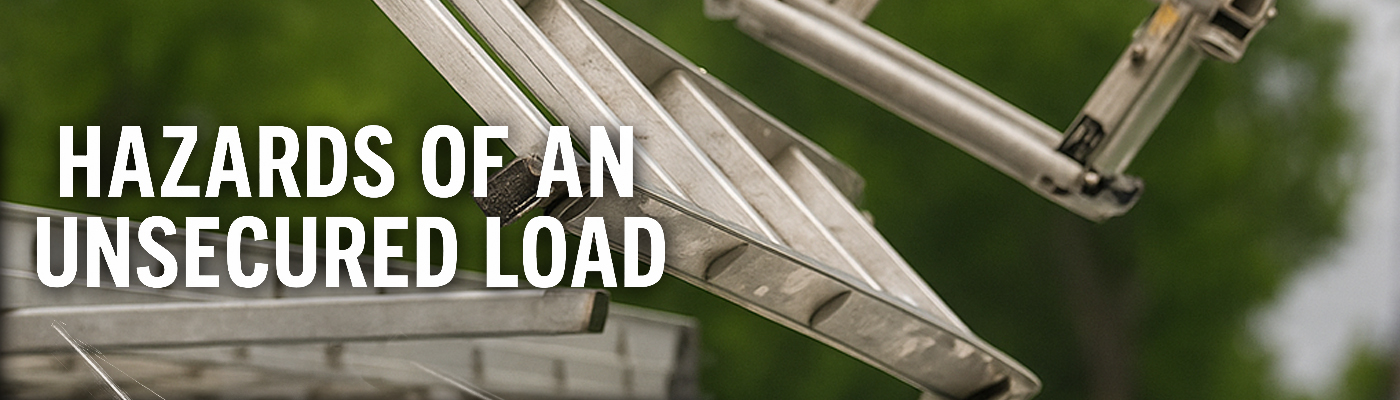
One misstep. One shortcut. One unstable ladder.
That’s all it takes for a serious injury or worse.
In 2025, OSHA ranked ladders as the #3 most cited safety violation, with 2,405 total violations. Despite decades of awareness, ladder misuse continues to endanger workers, and too many job sites are still repeating the same preventable mistakes.
For pest control companies, ladder safety is not theoretical. Technicians regularly access attic spaces, rooflines, exterior eaves and multi-story structures. That makes ladder-related fall prevention a core risk management issue, not just a compliance topic for National Ladder Safety Month.
Why Ladder Safety Still Matters in Pest Control
Falls remain one of the leading causes of workplace injuries across construction and field service industries. For pest control companies, a single ladder-related incident can trigger:
In other words, improper ladder use affects both people and profitability.
The Real Problem: Familiarity Breeds Complacency
Most ladder injuries do not happen because employees lack access to safety rules. They happen because:
In today’s pest control industry, hiring decisions carry more weight than ever. Labor shortages, seasonal spikes in demand and growth goals often push companies to move quickly when filling open positions. But when it comes to fleet safety, workplace injuries and long-term risk, who you hire - and how you hire - has a direct correlation to your loss history, insurance costs and overall operational stability.
At PestSure, we consistently see a strong connection between structured hiring practices and improved safety outcomes. The companies that treat hiring as a frontline risk management function often outperform their peers in auto, general liability and workers’ compensation performance.
Safety Starts Before Day One
Safety does not begin at orientation. It begins during recruitment.
Clear job descriptions should outline not only driving expectations, but also physical demands, ladder usage, pesticide handling responsibilities and customer-facing accountability standards. When expectations are communicated early, applicants self-select and the likelihood of poor fit decreases.
Pre-employment screening is equally critical. This includes:
Companies that skip or rush these
Labor shortages have pushed many pest control companies to widen the hiring net, often bringing in younger or first-time commercial drivers to keep routes covered. In the short term, it allows companies to fully staff routes and maintain growth, but when it comes to fleet risk, novice drivers can quietly introduce costs that far exceed payroll savings.
For pest control business owners and managers, understanding how inexperience impacts claims, losses, training demands, and long-term insurability is critical to protecting both people and profits.
Why Inexperience Matters More Than Age
It’s easy to assume risk is tied primarily to age, but research from the National Surface Transportation Safety Center for Excellence at Virginia Tech Transportation Institute, consistently shows that experience is the stronger predictor of crashes.
Here’s what pest control owners and managers should understand.
1. Hazard Recognition Takes Time to Develop
Experienced drivers anticipate problems. Novice drivers react to them. New drivers often struggle with:
In a pest control setting, this commonly leads to:
The ability to anticipate risk improves with time
While summer heat gets plenty of attention, winter brings its own serious safety challenges for pest control professionals especially those working in cold-weather climates. Snow, ice, reduced daylight, and hazardous driving conditions all increase the risk of injuries and accidents on the job. As temperatures drop, awareness and preparation become critical to keeping technicians safe and operations running smoothly.
Just as with heat exposure, cold-related hazards can be managed with proper planning, training, and smart work practices.
Winter Weather Hazards to Watch
Slips, Trips, and Falls - Icy sidewalks, snow-covered steps, frozen driveways, and wet entryways create prime conditions for slips and falls. These incidents remain one of the leading causes of workplace injuries during winter months and can result in sprains, fractures, or worse.
Driving in Snow, Ice, and Early Darkness - Winter driving increases exposure to vehicle accidents due to slick roads, limited visibility, and longer stopping distances. Add early sunsets and unpredictable weather, and technicians may find themselves navigating challenging conditions during both morning and evening routes.
Cold Stress and Exposure - Extended exposure to cold temperatures can lead to cold stress, numbness, reduced dexterity, and in extreme cases, frostbite or hypothermia. Even moderate cold can impair
The start of a new year is a natural time for pest control company owners and managers to take stock of what’s working, what needs improvement, and where risks may be hiding. For many pest management professionals (PMPs), safety training often falls into the category of “important but” as the demands of the daily grind take priority.
As you look ahead to 2026, now is the right time to establish clear, realistic safety training resolutions that protect your employees, strengthen your operation, and reduce preventable claims. The most effective safety programs aren’t complicated; they’re consistent, practical, and built into the rhythm of your business.
Here are key safety training resolutions every pest control company should consider committing to in the year ahead.
1. Commit to Consistent, Scheduled Training
One of the most common challenges in safety programs is inconsistency. Training that happens only after an incident or inconsistently rarely delivers lasting results.
Resolution for 2026: Establish a standing safety training schedule.
Whether it’s a 15-minute safety talk each week or a longer monthly session, consistency matters more than duration. Put training dates on the calendar in advance and treat them as non-negotiable business activities.
Short, focused sessions can be more
The end of the year is one of the most valuable times to step back and evaluate the strength of your safety training and compliance programs. A structured, honest safety training audit helps you identify gaps, reinforce what’s working, and set clear expectations for the year ahead.
Whether you’re a pest control business owner, branch manager, or training supervisor, a year-end review of your safety program ensures your company will enter 2026 prepared, compliant, and aligned with PestSure’s commitment to risk management, loss prevention and continuous improvement through training and education.
Below are practical steps to help you evaluate your current safety programs, refresh your training calendar, and reinvigorate (or create) your safety committee using proven best practices.
Start With a Comprehensive Program Review
An effective year-end audit begins with a full evaluation of your safety activities over the past 12 months. Consider these core areas:
1. Training Completion and Documentation
Compare your records to your annual plan and regulatory requirements. Gaps in documentation are
It only takes a moment of distraction for something to go wrong and in this case, that moment could have caused a serious accident.
A pest management technician shared a story that’s worth every technician and safety manager’s attention. After completing work under the eaves of a customer’s home, he carried his ladder back to his truck and placed it on the rails to secure it for the drive. Before he could finish tying it down, the customer called him over to discuss another pest issue behind the house.
After inspecting the shed and completing an additional service, the technician packed up, thanked the customer, and drove away. About six blocks later, as he accelerated onto the freeway ramp, he heard a sharp scraping noise. His ladder had slid off the truck. Fortunately, no vehicles were behind him, and the ladder tumbled harmlessly to the shoulder. The technician immediately pulled over and retrieved it.
No one was hurt. The only damage was a dented ladder, but the technician knew how differently this story could have ended.
If a motorcyclist had been behind him, or if he had been driving at full freeway speed, the result could have been catastrophic. The
When Rottler Pest Solutions set out to strengthen driver safety across its 300-plus vehicle fleet, leadership knew it would take more than reminders and policies; it required a complete cultural shift. With growing awareness of the risks tied to mobile device use, the company took a hard look at how to better protect employees, customers, and its brand.
Using telematics data, internal safety reviews, and lessons learned from past incidents, Rottler developed a comprehensive no cell phone policy focused on prevention, accountability, and support. The initiative combined clear expectations with real-time monitoring and consistent coaching, ensuring every employee understood the “why” behind the rule and how it benefited everyone on the road.
A Costly Reminder That Sparked Change
In June 2024, just months before the rollout of Rottler’s no cell phone policy, a distracted driving incident underscored the urgency of this effort. One of Rottler’s technicians was positioned in one of two left-turn lanes and began his turn after noticing the cars beside him move.
What he didn’t realize was that while the adjacent through lanes had turned green, his lane still showed red. Moments earlier, he had been looking at his phone and, although he set it down before
Even industries that seem “offline” or hands-on - like pest control - are not immune to cyber risk. As digital tools, cloud systems, and remote access become more integrated into operations, pest control companies face growing threats to their data, finances, and reputation.
Over the course of Cybersecurity Awareness Month in October, PestSure wants to call attention to the top threats pest control firms should watch in 2025 and how to defend against them.
1. Phishing and Social Engineering Evolved
Phishing remains a leading entry point but in 2025, it’s smarter, more targeted, and increasingly powered by AI. Attackers may impersonate your scheduling software vendor, supplier, or even a client, using deepfake audio or personalized email content. These campaigns are harder to spot because they adapt to your organization’s language and behavior.
2. Ransomware-as-a-Service (RaaS) and Double Extortion
Ransomware continues to dominate the threat landscape, but now many attacks come via RaaS platforms meaning less technically skilled actors can launch sophisticated attacks using rented toolkits. Attackers increasingly combine data encryption with data theft, threatening to publish sensitive information if demands aren’t met. How serious is the ransomware threat? According to research from Identity Week, in the first half of