Image

888-984-3813

Image

888-984-3813

Acing the Test on Pesticide Safety Education

Acing the Test on Pesticide Safety Education

Pesticide safety education plays a crucial role in promoting responsible pesticide use and mitigating potential risks to human and non-target animal health, the environment, and sustainability efforts.

February is National Pesticide Safety Education month and PestSure wants pest control industry professionals to be aware of the significant value of ongoing pesticide safety training. Offering and participating in pesticide safety training provides applicators with the knowledge and skills necessary to handle pesticides safely. By understanding proper handling, storage, application, and disposal procedures, technicians can minimize the risk of accidental exposure, poisoning, or environmental contamination.

Continuous education and training opportunities in pesticide safety enhance the competency and professionalism of technicians. By staying informed about emerging trends, best practices, and advancements in pesticide technology, technicians can improve their effectiveness, efficiency, and job performance.

Pesticide safety education also promotes environmentally responsible practices that minimize accidental pesticide spills and drift, reducing the risk of contamination to soil, water, and non-target organisms.

Avoiding Pesticide Exposure

Common pesticide exposures for technicians include product drifting in the wind during application, rubbing your face with product on your hands or gloves, product splash during mixing or filling, leaks in sprayers, pressure releases from clogged hoses, or crawling through product residue in an attic or crawlspace. In each case, an injury can be the result. Often the exposure causes skin, eye, or respiratory irritation.

Another common denominator for product exposure is that most incidents are avoidable with proper work methods including the proper use of personal protective equipment (PPE). Consistent use of proper PPE and protective clothing will greatly reduce the potential risk of pesticide absorption.

Tips to avoid drift contact:

  • Wear PPE and clothing to protect yourself from any potential product drift.
  • Adjust your nozzle(s) and pressure appropriately, so they are less likely to drift with the wind.
  • Try
Read more

Preventing Slips and Trips During Service Calls

Preventing Slips and Trips During Service Calls

Occupational slip and fall injuries cost employers and employees $70 billion annually, according to the National Institute for Occupational Safety and Health. In the pest control industry, workplace slip and fall injuries from stairs, decks, retaining walls, not ladders, made up 30 percent of total work injury claims in ’23 for PestSure insureds.

Slips, trips, and falls in outdoor environments can be caused by uneven surfaces, hidden trip hazards, and weather conditions that create poor traction or that cause pest control technicians to lose their balance. While technicians cannot control environmental conditions that decrease the safety of outdoor walkway surfaces, they can certainly reduce the likelihood of falls through increased awareness and eliminating hazardous situations.

Uneven ground, debris, tools, and wet grass are all potential causes of slips, trips, and falls for pest control personnel. These types of accidents are especially dangerous since technicians often risk falling with a tool in hand or while wearing a backpack.

Although many slip, trip, and fall injuries are minor (for example, sprained ankles and wrists), they can be very costly from a personal perspective because they limit mobility. Some falls result in serious knee and shoulder injuries.

Common Slip and Fall Hazards

What are the come of the most common slip and fall hazards technicians may encounter during a service visit to a residential property or commercial facility. Here is a list of hazards that could cause a slip and fall accident:

  • Changing and uneven or slippery surfaces.
  • Forgotten tools.
  • Debris 
  • Exiting vehicles or equipment.
  • Loading and unloading equipment and materials.
  • Navigating decks and steps.
  • Walking across unmown or uneven lawn surfaces.

First-Hand Slips and Fall Stories

Many technicians have first-hand experience with slip and fall hazards on the job. Here are some of their stories:

  • “While treating a home wearing a backpack
Read more

Strategies for Working with Subcontractors

Strategies for Working with Subcontractors

The structural pest control industry is no stranger to subcontractors. From termite pre-treatments and fumigations to lawn care and construction repairs, PMPs rely on subcontractors to fill in the service gaps and allow them to provide more services to clients.

Working with subcontractors is not without risk, however, and many pest management professionals are not fully aware of the perils as it relates to insurance.

Kristina Phillips, CIC, CRM, vice president and director of client services for PestSure says pest management professionals need to carefully review the details in their subcontractor agreements and contracts, and make sure they are indemnified.

“PMPs must ensure the subcontractor can comply with all the requirements included in the contract,” says Phillips. “If something goes wrong and there is a claim, the pest management professional is responsible. Many PMPs do not realize that and assume the subcontractor will take care of it.”

Phillips says workers’ compensation claims and fumigations – a service PMPs routinely subcontract for - is a good example of the importance of carefully reviewing your agreements.

In contracts, PMPs are often asked by customers to include a waiver of subrogation to their workers’ compensation policy. By signing the waiver PMPs eliminate their insurance carrier’s right to seek damages from another party. PMPs often add these waivers without knowing the full impact of the decision, says Phillips.

“It is important to remember that if you sign a waiver, you are doing so for both you and the subcontractor,” says Phillips. “If a subcontractor’s employee gets hurt on the job their insurance company can go after your company to recover costs for the injury.”

If you regularly work with subcontractors, PestSure offers the following tips to ensure the process protects the interests of both parties.

  1. Review Subcontractor Contracts Carefully – Know What You are
Read more

Distracted Driving Takes Center Stage at 2023 PestSure Safety and Loss Prevention Conference

Distracted Driving Takes Center Stage at 2023 PestSure Safety and Loss Prevention Conference

Distracted driving comes in many forms, but cell phone use while driving has become the most prevalent type of distracted driving. And the pest control industry is not exempt from the negative impacts of distracted drivers.

To raise awareness on the topic with pest control business owners and managers and help them identify strategies to mitigate the number of distracted driving incidents and reduce the financial impact that accompanies them, PestSure welcomed more than 100 of its insureds to Memphis, September 27-28 for the captive’s annual Safety and Loss Prevention Conference.

Keynoting the event was Dr. Paul Atchley of the University of South Florida who discussed “The Science Behind Distracted Driving.”

Atchley told attendees multitasking while driving - trying to make a phone call, respond to a text, adjust the radio – all the while staying focused on the road is a myth. While many drivers feel they are capable of multitasking while behind the wheel, Atchley said research and crash statistic data proves otherwise, especially with younger drivers.

“You need your brain to drive safely, and multitasking is an impossible task for the brain,” said Atchley. “And attempting to do it while driving is a recipe for disaster.”

Supporting Atchley’s position is research showing that drivers between the ages of 25 and 34 are involved in the most fatal crashes. There are nearly 1,000 more deaths per year among 25- to 34-year-olds than drivers under 25.

Atchley said to change driver behavior, owners and managers must change attitudes, and that will take work. His recommendations included structuring distracted driving education along the following:

  • Leadership – It starts at the top and filters down - I can do it/you can do it.
  • Education - The why of the change, why we want to eliminate distracted driving
  • Rules - We have rules against
Read more

How to Protect Employees from Phishing Attacks

How to Protect Employees from Phishing Attacks

Phishing attacks are one of the most prevalent types of cybercrimes with over 500 million phishing incidents reported in 2022. For perspective, which is over double the number of reported attacks in 2021 – and not surprisingly so, as it is one of the easiest types of scams to fall prey to.

In addition to the inconvenience and loss of trust from customers and employees, phishing attacks cost consumers and businesses $52 million in the United States in 2022.

While PestSure is known for its work educating and training pest management professionals from the daily hazards of distracted driving, ladder safety and fall protection, it also wants to make them aware of cybersecurity best practices around phishing attacks.

October is Cyber Security Awareness Month and with the ever-increasing threat of phishing attacks via email, phone, or text, PestSure wants to provide the following tips to stay one step ahead of the threat.

Tips to Avoid Phishing Attacks

Staying vigilant and being cautious are key to thwarting phishing attempts. Protection against phishing frauds starts with awareness and employees can stay one step ahead of phishing attacks by following these tips:

Verify Sender's Identity – Always double-check the sender's email address. If it looks suspicious or unfamiliar, do not open any attachments or click on links.

Think Before Clicking – Be cautious with unexpected emails, especially those urging immediate action. Hover over links to preview the URL, and only click if you are certain, it is legitimate.

Check Spelling and Grammar - Phishing emails often contain typos and grammatical errors. If an email looks unprofessional, it could be a red flag.

Use Email Filters – Make sure your organization's email system has strong spam filters in place. They can catch many phishing attempts before they reach your inbox.

Avoid Pop-Ups - Legitimate

Read more

Fall Protection Tips

Fall Protection Tips

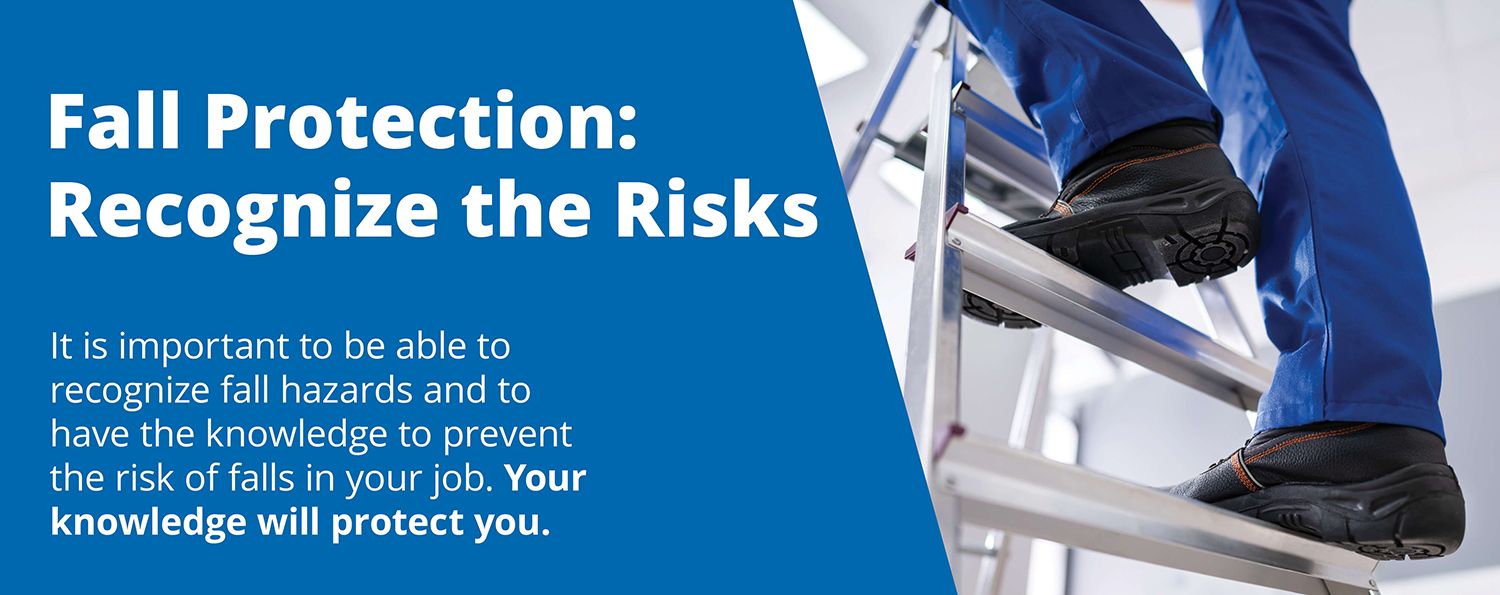
Pest control professionals often encounter challenging environments when dealing with pest infestations, which can include climbing ladders, accessing roofs, or working in confined spaces. Fall protection training helps technicians and inspectors identify potential fall hazards and take proactive steps to mitigate those risks, reducing the likelihood of accidents.

Working at heights, such as on roofs, ladders, or elevated platforms, can be dangerous. Falls from a roof, through a ceiling or skylight, off a ladder at even relatively low heights can result in serious injuries or fatalities.

Regular fall protection training equips pest control professionals with the knowledge and skills to prevent falls and minimize the risks associated with working at heights. An employee’s knowledge will protect them.

Benefits of Fall Protection

In addition to keeping employees and customers safe, companies providing regular fall protection training realize the following benefits:

  • Risk reduction
  • Increased efficiency
  • Higher employee morale and trust
  • Cost savings

Fall Protection Training ABCs

OSHA requires fall protection to be provided when employees are exposed to elevations that are four feet or greater. Common areas within a client’s property where this could occur include:
  • Leading edges
  • Ramps/runways
  • Residential construction
  • Wall and floor openings
  • Skylights
  • Unprotected sides and edges
  • Above dangerous equipment (any height)
  • Steep or low slope roofs
  • Walking surfaces

Fall Protection Each Time, Every Time

Understand that fall protection is required for EVERY job on an elevated surface with an unprotected edge (i.e., roof) – regardless of roof type. The equipment involved in a fall arrest system:

  • Full-body harness
  • Lanyard that connects the harness to a deceleration device
  • Lifeline, or another secure anchorage point
  • Throw line
  • Anchor
  • Anchor strap
  • Carabiner (locking)
  • Rope termination anchor
  • Rope grab

Anchorage Points

Anchorage points are the foundation of the fall arrest system. The anchorage is required to be at a secure point capable

Read more